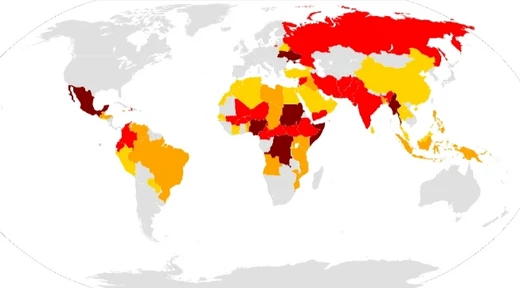
Greek Civil War
First Cold War proxy conflict between Greek Communists and the royal government.

Internet Archive Book Images · No restrictions
It was the first proxy war of the Cold War, with the rebels supported by Albania and Yugoslavia, and the government backed by the United Kingdom and the United States. The war resulted in a government victory, leading to decades of anti-communist persecution and a lasting political divide.
- started
- 1946
- field
- Civil war / Cold War proxy conflict
- nationality
- Greek
- known_for
- First Cold War proxy conflict; high casualties; war crimes including massacres and child abductions
Lore & Background
The Communist Party of Greece (KKE) established the Provisional Democratic Government of Greece, with its military branch, the Democratic Army of Greece (DSE), fighting against the Hellenic Army under Marshal Alexandros Papagos.
Reader's Guide
The Greek Civil War is significant as the first instance of postwar Allied intervention in a foreign country's internal affairs, implementing the containment policy outlined in George F. Kennan's Long Telegram. It remains a subject of political and historiographic debate.
Did You Know?
- The Greek Civil War was the first proxy conflict of the Cold War.
- Both factions committed war crimes, including massacres and child abductions.
- The rebels were supported by Albania and Yugoslavia; the government by the United Kingdom and the United States.
Gallery
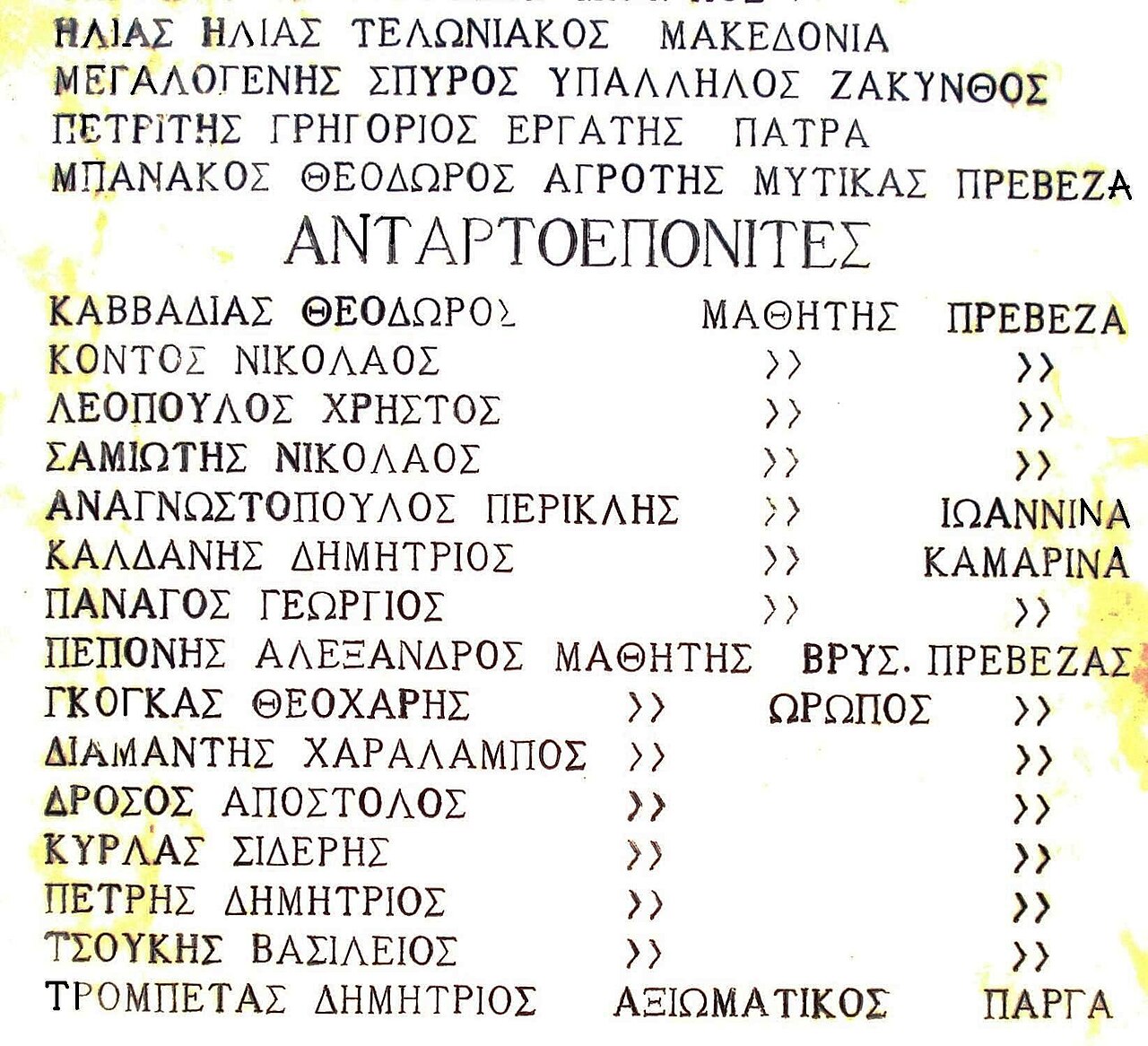
Frequently Asked Questions
Who were the main belligerents in the Greek Civil War?
On one side stood the DSE, a guerrilla force organized around the Communist Party of Greece and aided by neighboring Albania and Yugoslavia. Opposing them was the Kingdom of Greece's regular army, which received military and financial support from Britain and, later, the United States.
Why is the Greek Civil War considered a turning point in Cold War history?
Because it marked the first time two superpower-aligned blocs directly armed and advised rival factions in a third country's internal struggle. The government's ultimate victory hardened Western containment policy and pushed the DSE remnants into a long underground struggle, while the defeat entrenched decades of anti-communist repression in Greek politics.
What war crimes and atrocities are associated with the Greek Civil War?
Both sides committed serious violations, including village massacres, summary executions of suspected collaborators, and the systematic abduction of children from rebel-held areas. These acts left deep intergenerational trauma and remain a sensitive topic in Greek public memory.
More in Military Conflicts And Wars 1-18
Spotted an error? Know more?
This is a living reference — every entry is fact-audited, and reader corrections feed straight into our audit queue. Suggest an edit · See this site's audit record