Indonesia–Malaysia confrontation

British Army official photographer · Public domain
It was an undeclared war, primarily fought in the border area between Indonesia and East Malaysia on the island of Borneo, with lower intensity covert actions on the Malay Peninsula and in Singapore. The conflict is significant as an episode of the Cold War in Asia, with Malaysia receiving direct military support from the United Kingdom, Australia, and New Zealand, while Indonesia had indirect support from the USSR and China.
- type
- Armed conflict
- location
- Borneo (Kalimantan), Malay Peninsula, Singapore
- primary_belligerents
- Indonesia vs. Malaysia, United Kingdom, Australia, New Zealand
Lore & Background
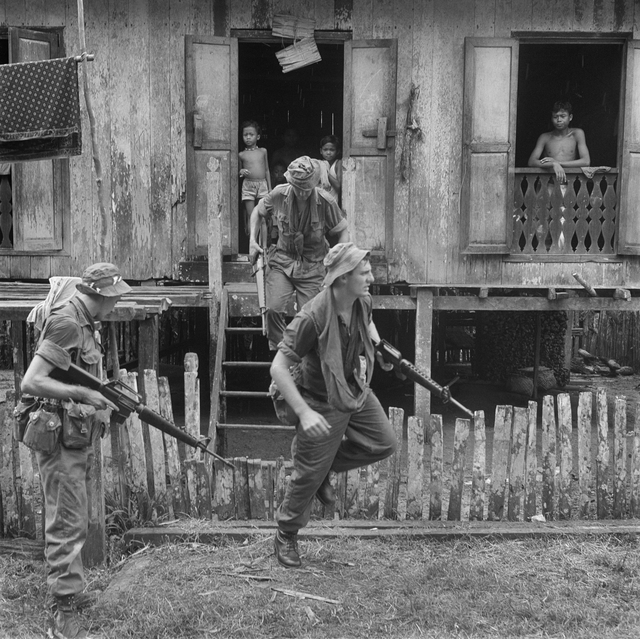
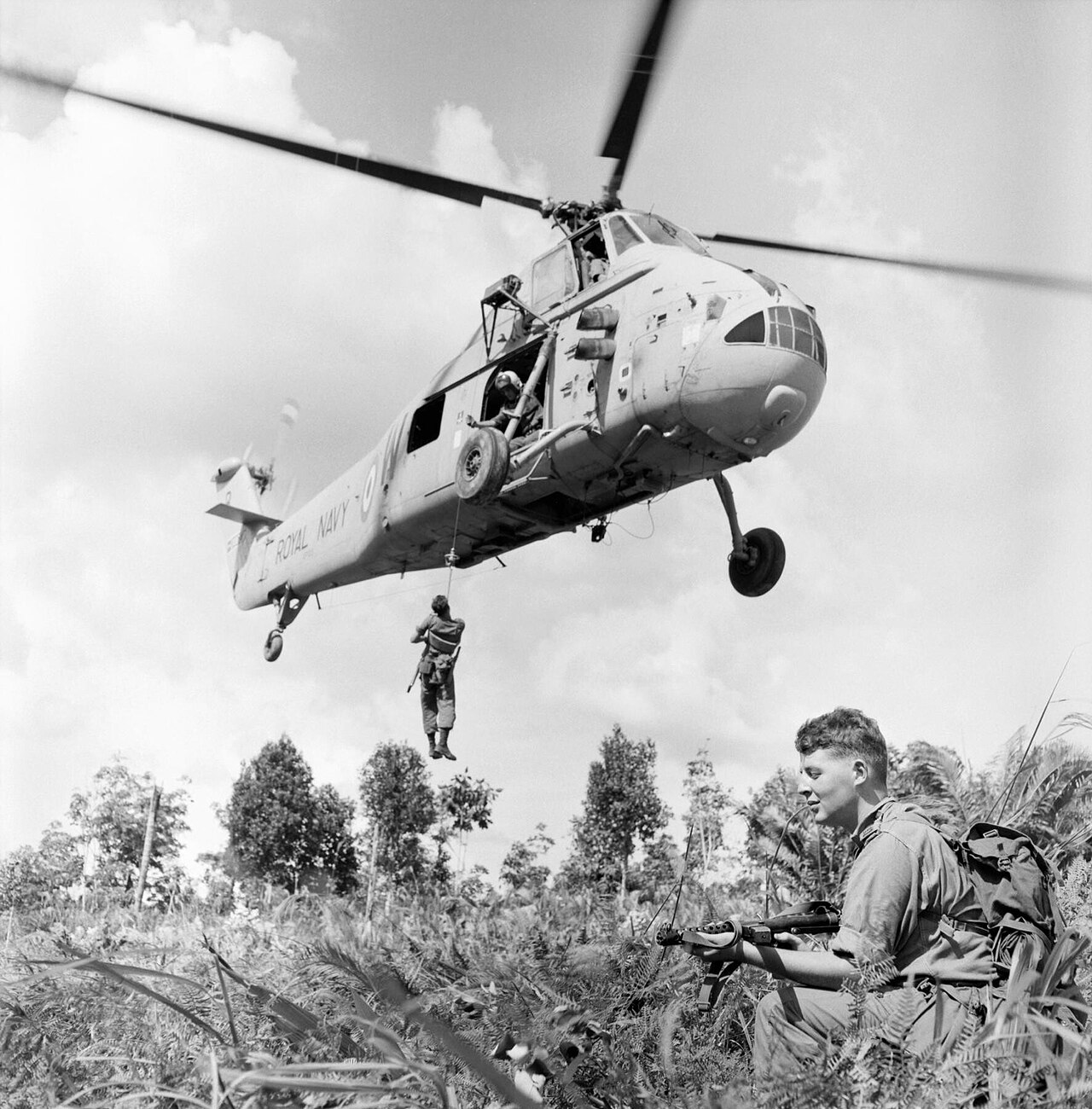
Indonesia's campaign of infiltrations into Borneo sought to exploit the ethnic and religious diversity of Sabah and Sarawak to unravel the proposed Malaysian state. Combat was characterized by restrained, isolated ground combat, typically company- or platoon-sized operations, set within tactics of low-level brinkmanship. The jungle terrain and lack of roads forced long foot patrols, with both sides relying on light infantry and air transport, though Commonwealth forces had better helicopter deployment.
Reader's Guide
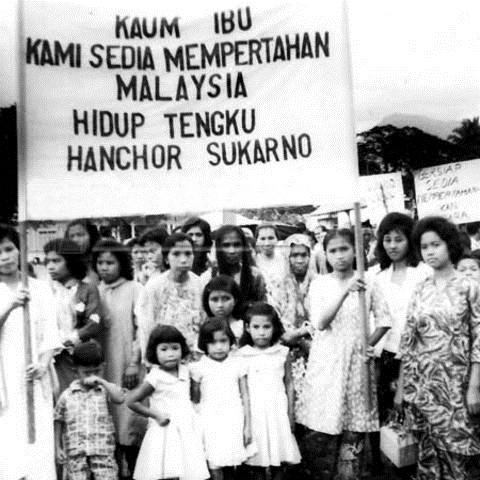
The Indonesia–Malaysia confrontation was a key Cold War episode in Southeast Asia, reflecting Indonesia's ambition under President Sukarno to assert regional power and oppose British decolonization plans. The conflict saw the UK, Australia, and New Zealand commit significant forces to defend Malaysia, while Indonesia received indirect backing from the USSR and China. The confrontation demonstrated the limits of Indonesia's military expansionism and the effectiveness of Commonwealth defensive operations, including covert cross-border raids under Operation Claret.
Did You Know?
- The conflict was an undeclared war with most action occurring on the border between Indonesia and East Malaysia on Borneo.
- Indonesia had indirect support from the USSR and China, making it a Cold War episode.
Political Roots and Sukarno's Ambitions
Sukarno's foreign policy before the confrontation was shaped by two major drives: annexing Dutch New Guinea and positioning Indonesia as a significant independent power outside the Cold War blocs. Though the infiltration forces were defeated militarily, the diplomatic pressure—combined with American anxiety about Indonesia drifting toward communism—forced the Dutch to concede control of the territory in exchange for a future self-determination vote. It was against this backdrop of recent victory that Indonesia turned its attention to the British proposal for a unified Malaysian state, viewing it as a threat to its own regional ambitions and the integrity of the Non-Aligned stance it had championed.
The Character of Fighting in Borneo's Jungles
The confrontation was never formally declared; it unfolded as a low-intensity, border-focused conflict primarily along the Indonesia–East Malaysia frontier on Borneo, known as Kalimantan in Indonesian usage. Combat was typically small-scale—company or platoon-sized units engaging on either side of the border line—embedded within a broader strategy of low-level brinkmanship rather than large-scale warfare. The dense jungle and near-total absence of roads crossing the border compelled both Indonesian and Commonwealth forces into grueling long foot patrols. Light infantry operations and air transport were the backbone of logistics, with rivers serving as additional routes for movement and infiltration. Commonwealth forces held an edge in helicopter deployment and resupply to forward bases, while airborne units provided critical support and naval forces secured the sea flanks. Indonesia's infiltration strategy specifically targeted the ethnic and religious diversity of Sabah and Sarawak, hoping to exploit those divisions to unravel the newly formed Malaysian state.
A Cold War Flashpoint in Southeast Asia
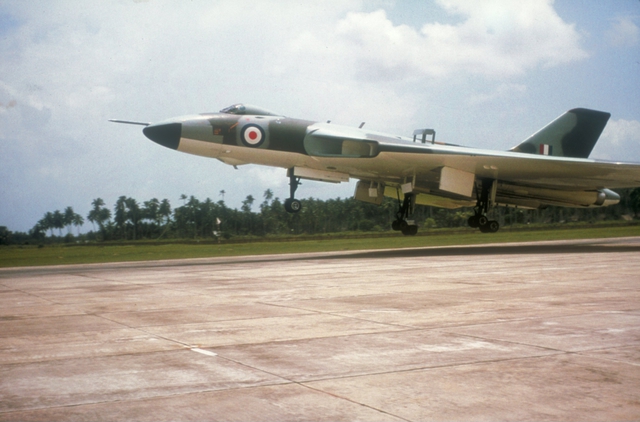
Although the confrontation was fundamentally a regional dispute over the creation of Malaysia, it was deeply entangled in Cold War dynamics. Malaysia received direct military backing from the United Kingdom, Australia, and New Zealand, with the combined Far East Strategic Reserve stationed in Peninsular Malaysia and Singapore providing periodic reinforcements. Indonesia, by contrast, drew indirect support from the Soviet Union and China, making the conflict a clear episode of superpower rivalry projected onto Asian soil. The British bore the heaviest share of the defensive burden, though Malaysian forces progressively increased their contributions. The broader context included earlier American covert operations—conducted through CIA channels and the Taiwan-based Civil Air Transport subsidiary—aimed at weakening Sukarno's regime by arming rebel factions in Sumatra and Sulawesi. These layered international involvements ensured that what began as a territorial and political dispute between two Southeast Asian states became a proxy arena for competing ideological and strategic interests.
Escalation, Reversal, and the Road to Peace
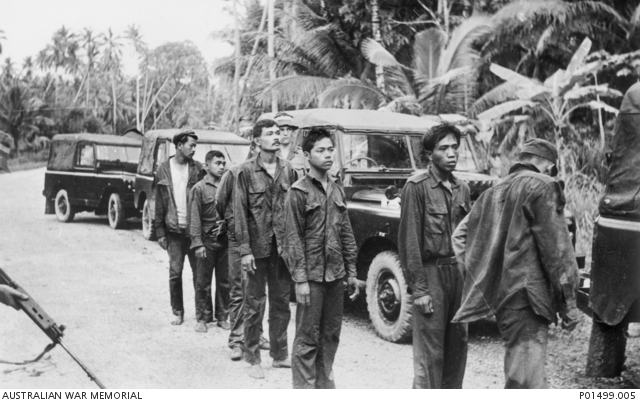
After Indonesian infiltrations grew more organized and incorporated a larger component of regular Indonesian Army personnel, the British launched Operation Claret—a covert counter-offensive into Indonesian Kalimantan that successfully seized the initiative and kept Jakarta on the defensive.
Gallery
Frequently Asked Questions
Who were the main belligerents in the Indonesia–Malaysia confrontation?
Indonesia was the aggressor, while Malaysia defended itself with direct military support from the United Kingdom, Australia, and New Zealand. The clash is widely treated as a Cold War proxy episode in Southeast Asia.
Where did most of the fighting in the Indonesia–Malaysia confrontation take place?
The core of the combat was concentrated in the border zone between Indonesian Kalimantan and East Malaysia on the island of Borneo. Lower-intensity guerrilla raids and covert actions were also mounted on the Malay Peninsula and in Singapore.
Why is the Indonesia–Malaysia confrontation historically significant?
It is regarded as a key Cold War flashpoint in Asia, illustrating how regional sovereignty disputes could draw in Western military powers. The conflict also reshaped post-colonial security dynamics in Southeast Asia and cemented Malaysia's alliance ties with Britain, Australia, and New Zealand.
More in Military Conflicts And Wars 1-18
Spotted an error? Know more?
This is a living reference — every entry is fact-audited, and reader corrections feed straight into our audit queue. Suggest an edit · See this site's audit record